

What is Mindfulness-Based Compassionate Living?
28th January, 2026
by Katie Tokus | 4 Min Read
Share with friends
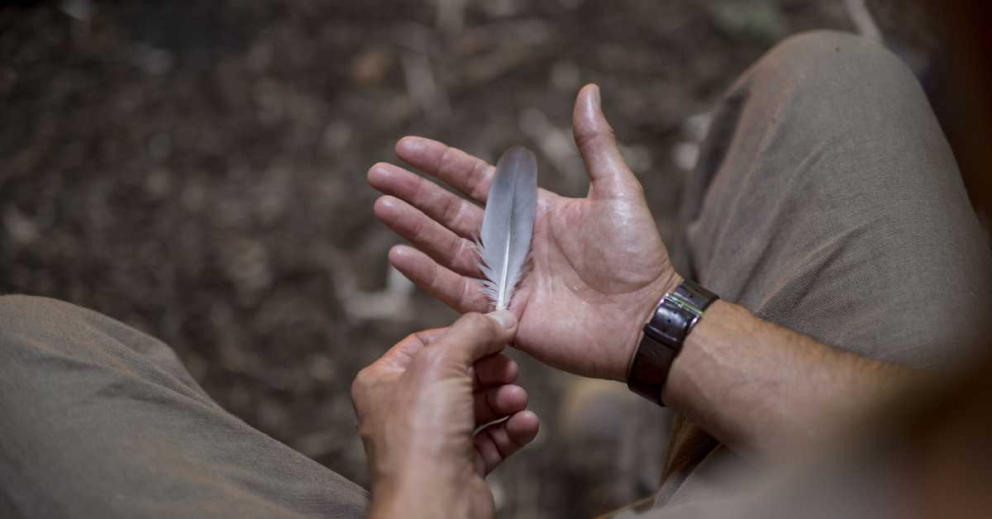
Image of man's hand holding feather gently to symbolise compassion, illustrating Sharpham Trust's Dharma Pathway meditation retreats
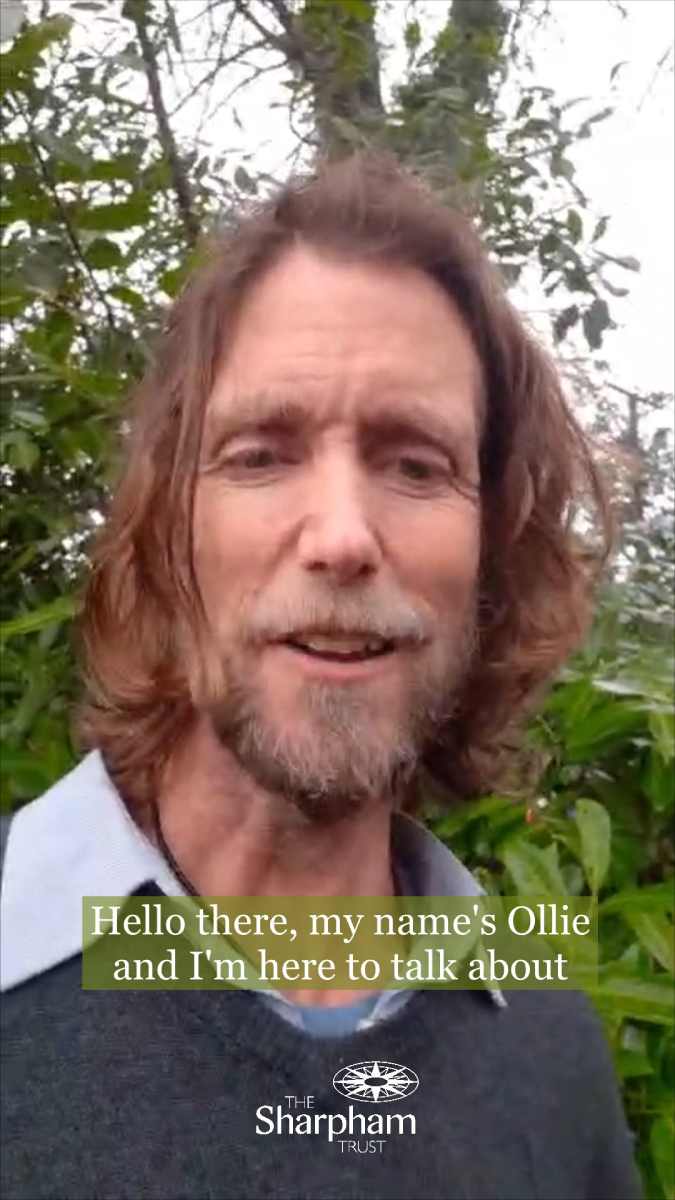
Ollie Frame, course leader

Course leader Ollie Frame introduces our 8-week online course Mindfulness-based Compassionate Living course, explaining what you'll experience if you participate.

Ollie is one of our course and retreat leaders who has specifically trained to teach Mindfulness-Based Compassionate Living (MBCL). He is particularly enthusiastic about self-compassion, Metta meditation and other heart-based approaches within the world of mindfulness.  

The Sharpham Trust has been teaching mindfulness and offering mindfulness and meditation retreats for more than 40 years. 

Read a transcript of this video, organised into sections, below


What are examples of compassion and self-compassion practices?

"The course is designed as a follow-up to mindfulness programmes and it introduces a whole range of heart-based practices.

Compassion practices, metta or loving-kindness practices, and various shorter practices too, some only a few minutes long, like the self-compassion break.

And for many people it's so transformational to put the emphasis on on warmth, on compassion, on acceptance and kindness in their practice, when they do that in their practice.

And yeah, for many it's a real turning point in their lives and also on their meditation journey.

I think this is especially true of us folk in The West, where we're in the habit of being really quite pushy and critical and harsh with ourselves.

And in fact, we tend to treat ourselves so badly in a way that we wouldn't treat a friend, for example.

So this applies in our everyday life, but also in our meditation practice, where we can be constantly striving to get it right and constantly judging ourselves.

So the course is really like an exploration of this relationship that we have with ourselves, as well as the relationship that we have with other people, of course.

In this video, course leader Ollie Frame shares what you'll experience when you participate in this course.

"We're in the habit of being really quite pushy and critical and harsh with ourselves, he says, "and in fact, we tend to treat ourselves so badly in a way that we wouldn't treat a friend, for example...so the course is really like an exploration of this relationship that we have with ourselves, as well as the relationship that we have with other people".

Ollie explains how the course draws on neuroscience findings about the mind's evolution - giving participants a self-awareness that helps them navigate life's challenges.

"So I really hope you'll join me on this journey and find out just how different life can feel when instead of dismissing or denying or fighting our suffering, we can learn to soothe it instead," he says.

"And when instead of judging ourselves or berating ourselves, we can learn to support and encourage ourselves."

What does neuroscience say about compassion practices?

Another really interesting thing about the course is how it draws on neuroscience to highlight the mismatch between parts of the brain, which evolved in some cases millions of years ago, with the challenges of being a modern human.

And this understanding of our predicament is really the foundation for much greater compassion for ourselves and also the foundation for navigating these challenges much better.


How does learning self-compassion and compassion help?

So I really hope you'll join me on this journey and find out just how different life can feel when instead of dismissing or denying or fighting our suffering, we can learn to soothe it instead.

And when instead of judging ourselves or berating ourselves, we can learn to support and encourage ourselves.

So I really hope you'll join me on the journey and I look forward to seeing you then".


FAQs

Frequently asked questions about compassion, this course and us:

Do you need to have done any previous mindfulness courses?

The course is designed as a follow-up to mindfulness programmes. Participants will have completed a previous 8-week course in MBSR or MBCT or attended a mindfulness retreat or equivalent immersive mindfulness experience. This ensures all participants have foundational mindfulness skills to fully benefit from the compassionate living practices. 

I've experienced trauma in the past. Will this help?

Given the nature of self-compassion practices, it is common for old trauma to arise, particularly around Adverse Childhood Experiences (ACEs).

If you have experienced any ACEs - and before attending this course - we ask you to discuss your participation with a psychologist or therapist to see if this retreat is appropriate for you at this time.

When does this course run?

This weekly course runs every Thursday between 7pm and 9pm, beginning on 23 April. The final session takes place on 18 June. There is no session on 28 May due the the school half-term holidays.  

Find out more about the course here