All I can offer here are the parts of these few pages that most intimately meet and merge with me.
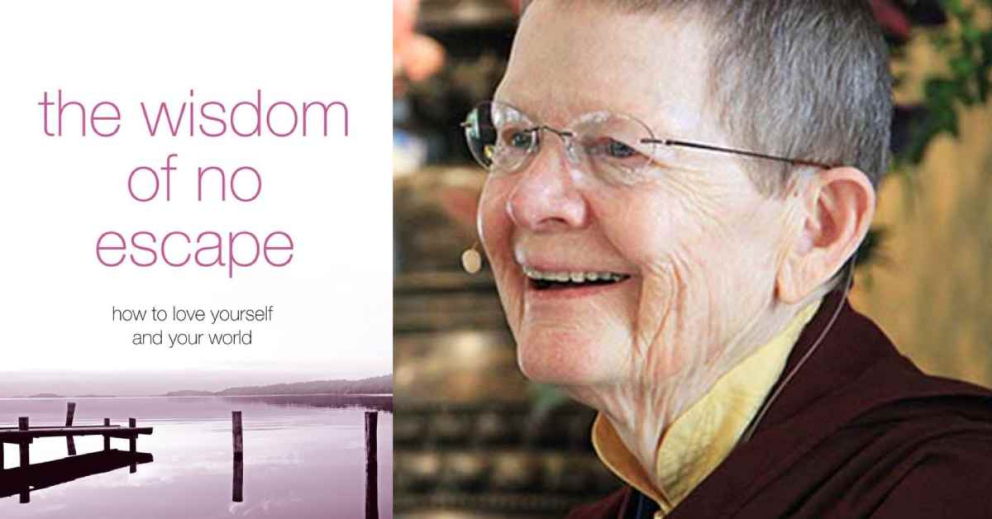
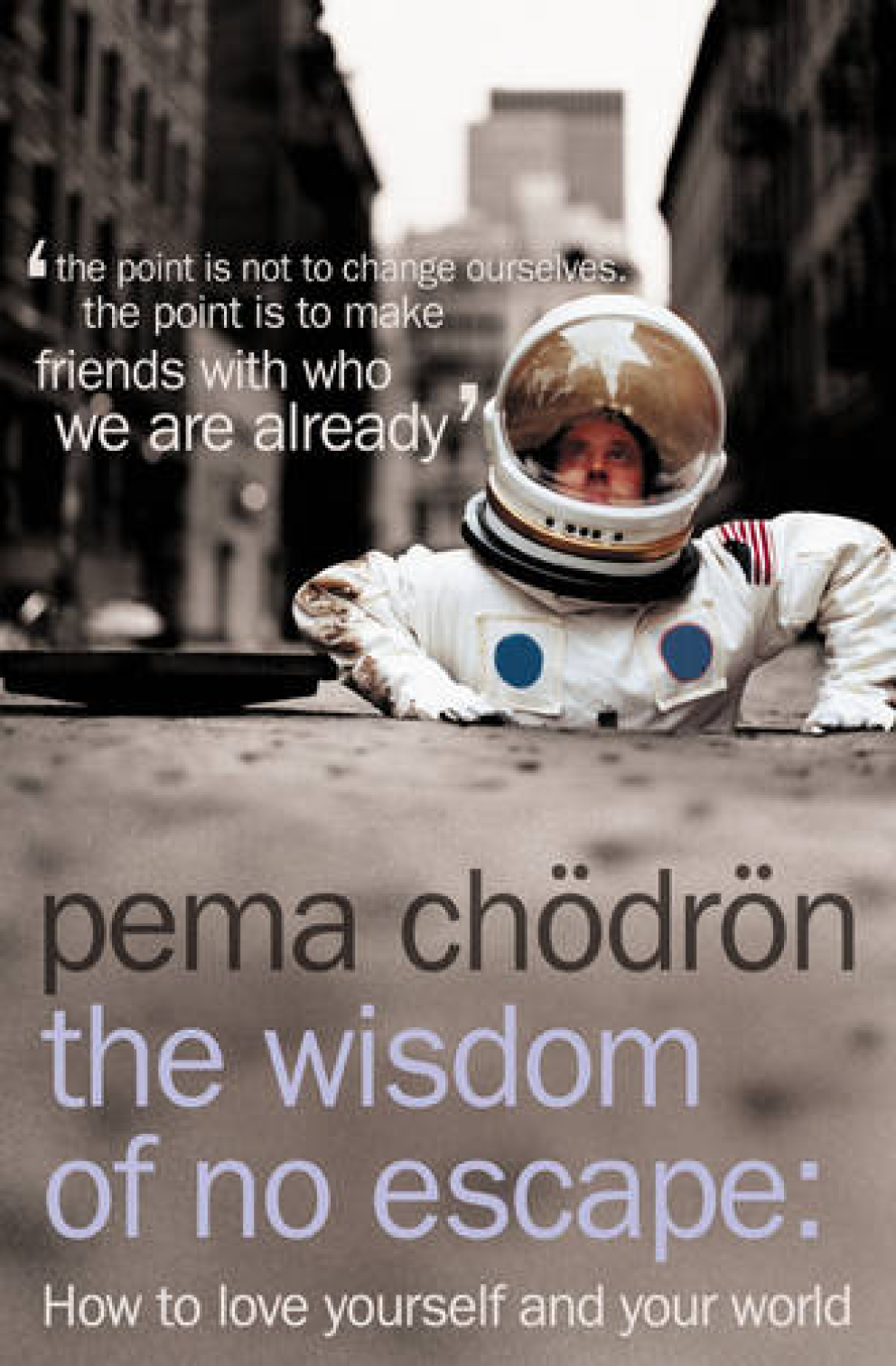
The attraction of Pema Chodron’s writing is its immediate accessibility and the clear and apparent sense it always makes. The chapters are short and to the point, so there is ever a simplicity that is both beautiful and profound. With each read I find stashed away a new angle from which to look at how I might meditate or meet my life.
This chapter is an instruction on how to meditate. She talks of standard sitting position, but with eyes partly open and the gaze downward looking. Next she describes noticing just the out-breath and - even then - only having 25% attention on it. So this is most certainly not a tight practice and the other senses are not being shut out. There is spaciousness and ease written into its fabric. The third and final part of the technique is that when you notice you have been thinking, you say to yourself ‘thinking’ and then return to placing the attention on the out-breath. That’s it. The whole technique.
Pema Chodron picks out three qualities that this particular technique invites and brings out. These are:
- precision
- gentleness
- letting go
Precision comes out of always coming back to the breath and it arises from the accuracy of the label ‘thinking’. These two parts of the technique elicit a clarity and precision in the mind; an invitation to awaken.
Gentleness flows in so many ways from the out-breath, just the lightly-attended exhalation fading away, an open practice without a goal, as you rest back in ‘just being’ or maybe even ‘doing nothing’. Maybe there could be no judgement at all in whether your sit, your posture, your breath, your attention, your whatever are good or bad. Any such idea of worth is irrelevant. The labelling is just that. The mind is thinking, contracting elsewhere as is its nature and you have noticed this. There is no right or wrong here.
When the thoughts come up touch them very lightly, like a feather touching a bubble